
It was many and many a year ago,
In a kingdom by the sea,
That a maiden there lived whom you may know
By the name of Annabel Lee;
And this maiden she lived with no other thought
Than to love and be loved by me.
I was a child and she was a child,
In this kingdom by the sea,
But we loved with a love that was more than love—
I and my Annabel Lee—
With a love that the wingèd seraphs of Heaven
Coveted her and me.
And this was the reason that, long ago,
In this kingdom by the sea,
A wind blew out of a cloud, chilling
My beautiful Annabel Lee;
So that her highborn kinsmen came
And bore her away from me,
To shut her up in a sepulchre
In this kingdom by the sea.
The angels, not half so happy in Heaven,
Went envying her and me—
Yes!—that was the reason (as all men know,
In this kingdom by the sea)
That the wind came out of the cloud by night,
Chilling and killing my Annabel Lee.
But our love it was stronger by far than the love
Of those who were older than we—
Of many far wiser than we—
And neither the angels in Heaven above
Nor the demons down under the sea
Can ever dissever my soul from the soul
Of the beautiful Annabel Lee;
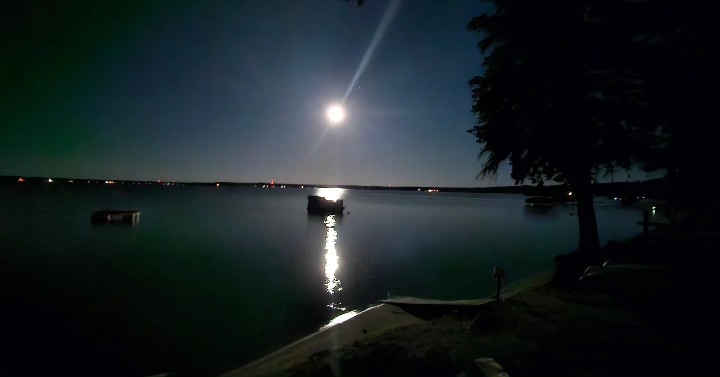
For the moon never beams, without bringing me dreams
Of the beautiful Annabel Lee;
And the stars never rise, but I feel the bright eyes
Of the beautiful Annabel Lee;
And so, all the night-tide, I lie down by the side
Of my darling—my darling—my life and my bride,
In her sepulchre there by the sea—
In her tomb by the sounding sea.
Annabel Lee by Edgar Allen Poe tells the story of a man who fell in love and lost it. It is a reminder of one of the few certainties in this life: death. Human beings have this incredible fear in combination with a morbid fascination about love and about death.
We long for a love so powerful it overwhelms us with its passion. Yet, we also possess a debilitating fear of trust and commitment often choosing to isolate ourselves rather than risk forming a healthy relationship. Rather than risk the pain of humiliation or possible loss.
We do everything in our power to prolong our lives through the use of modern medicine. And yet, when death comes swift and violent, like a train wreck, we cannot seem to look away. The popularity of psychological thrillers, first-person shooter video-games, and tales of war, fact or fiction, draw society in like moths to a flame. A chance to view the end of life or virtually experience it first-hand.
I have a theory about why this might be.
I believe true love and death have something quite powerful in common.
Perhaps, there is a chance, albeit a small one that maybe, just maybe, we can catch a glimpse of the divine. Maybe, just for a split second, we will see of flash of God as they take someone’s hand when they breathe their last breath. Or maybe, just maybe if we love with enough passion and devotion if we can truly love like our God loves us, then maybe we could catch a glimpse of the divine.
Joel speaks poetically combining both beauty and horror “Like dawn spreading across the mountains a large and mighty army comes.” Our psalmist says “Let me hear joy and gladness; let the bones you have crushed rejoice.” Comparing an army, a veritable wave of death with the glorious purifying light of the breaking dawn seems discordant. The dawn is generally compared to a ray of hope. Rejoicing in a body broken seems contradictory yet speaks volumes during times of fear. To the poet, love and death exist side-by-side.
“My sacrifice, O God is a broken spirit; a broken and contrite heart you, God, will not despise.” God tells us time and time again that there will be trials and tribulations in this life. We are told in no uncertain terms that there will be bloodshed, there will be illness, there will be death, and there will be mourning and yet… we coyly pretend to be caught unawares and beg him to alleviate these plagues from this earth.
Oh, how easily we forget that it is none other than the ultimate death and suffering that brings us our salvation. The loss, the suffering, which we here on earth fear more than any other, the death of a child. And yet, that’s exactly what God voluntarily did for us. He gave us his own son who lived a life that to us felt cut short. God gave us this death as a representation of just how much they love us. Jesus’ own mother watched him die upon that cross. And yet… we continue to dream of a world without death. We dream of a world that does not contain the very thing that saves us.
Ash Wednesday is traditionally a service of Death and Resurrection. A funeral service and not just any funeral service. Ours.
This might sound a little morbid but I like officiating funerals. To me, a funeral is a beautiful manifestation of the poet’s writing on the relationship of love and death. It is an opportunity and a blessing to share with one another one life that all who gather have in common. It is a sharing of our loved one’s freedom for they have been granted the final blessing we hope and dream of: entrance into God’s holy realm of Heaven.
When officiating a funeral service, I seek to witness how the dearly departed embodied Christ here on this earth. How did they embody love while on this earth? Where and how did they demonstrate compassion? What was it in this life that may have been why God placed them here to dwell with us for a time?
I try to find a piece of scripture which encompasses all the good they did or tried to do in this world. I seek to see and share the positive impact they had on others. I firmly believe that every creature that God took the time to breathe the breath of life into on this earth has played a part in making those who remain futures brighter. And I seek to remind those who continue to walk on this earth, their loved one has entered into heaven. They’ve met Jesus Christ! Now, you might be saying to yourself that some don’t but I believe all meet Jesus Christ, even if it is only to stand in judgment. And in that judgment, they are given one final opportunity as those who hung on the crosses beside Jesus at the crucifixion did. One more opportunity to repent. One last opportunity to love and to embrace the hope beauty of death.
Funerals are also an opportunity to acknowledge how our loved one may have fallen short. Because we all will. There is no falling shorter than others. This is a pass/fail situation and everyone of us will pass if we know Jesus Christ, love Christ, trust Christ, and believe in what He died for. Whether we believe for a lifetime or a quarter of a second at the last possible moment. The only way to fail is to not acknowledge him at the gates of heaven when you could touch his hands or his feet if you wanted.
I have hope for all you see, because even if they live a lifetime of what we would determine to be regret and shame. In that moment, that final millisecond of life they will catch a glimpse of the divine. I like to think that would make even the most adamant of atheists believe. It doesn’t mean you don’t have to deal with the consequences of your actions in this life, necessarily, that is beyond my control, and subject to the will of God, but there is always hope for a life everlasting.
One final glimpse of love and death. One millisecond of Godly love to understand that death leaves behind pain and suffering for an eternity of love. The poets have found a way to intertwine into our faulty language the relationship between the two. Both beauty and horrific.
In this season of Lent, Matthew tells us to suffer with so much joy and happiness, others might not even recognize it as sacrifice, and to do it willingly. You know what’s coming for you! You know what lies beyond the things we fear, you know that there is a love out there that comes from God above greater than anything we could ever dream of here on earth. You don’t have to wait until death to experience a piece of heaven here on earth. You don’t have to wait until death to glimpse the divine.
We do not practice righteousness to be seen by others. We do not give to be seen by others. We do not pray so that others might see us praying. We do not fast so that others might see us sacrifice. We do not seek to store up earthly things.
We do the right thing especially when no one is watching. We give knowing that which we give to others comes from God. We pray knowing no one else may hear or know. We deny ourselves earthly material things not because we want others to know we are living graciously but because we do not want to be corrupted by jealousy or envy. We live trying to love so hard and so intense that we catch a glimpse of the divine while here on this earth.
We live for what comes after death, but that does not mean we do not enjoy that which comes before. God has blessed us, everyone here has been blessed, but not in the same ways. Therefore, we must give thanks for that which we have been given without comparing it to that to which others have or have not been given.
We must seek to be loved by God. We must live to love and be loved by God, not by one another. So perhaps in some ways, our poets are wrong. Love and death are not tragedies of this earth but gifts from heaven.
It is now and forevermore,
In God’s kingdom on this earth,
That we live with you may tell
Jesus Christ Emmanuel;
And this man who lived with no other thought
Than to love and be loved by me.
I was a child and he was a child,
In this kingdom made by God,
But we loved with a love that was more than love— I and my Savior be—
With a love that the wingèd seraphs of Heaven Coveted Him and me.
And this was the reason that, long ago,
In God’s kingdom on this earth,
An army dawned out of fear, crucifying
My beautiful Savior be;
So that his heavenborn kinsmen came
And bore him away from me,
We shut him up in a stone tomb
In God’s kingdom on this earth.
The Pharisees and Saducees,
Went envying Him and me—
Yes!—that was the reason (as all men know, In God’s kingdom on this earth)
That an army dawned out of fear by night, crucifying, and killing my Savior be.
But our love, it was stronger by far than the love
Of those who were older than we—
Of many far wiser than we—
And neither the angels in Heaven above
Nor the demons down under the sea
Can ever dissever my soul from the soul
Of my beautiful Savior be;
For the moon never beams, without bringing me dreams
Of my beautiful Savior be;
And the stars never rise, but I feel the bright eyes
Of my beautiful Savior be;
And so, all the night-tide, I lie down by the side
Of my darling—my love—my life and my pride,
In the heavens now up in the sky—
And in my heart because on earth he died by our pride
Our beautiful Savior be.
 Dark-Hope
Leave a comment